Kai Otto · 14 October 2026
Annotation Capabilities Within Specialized Note Platforms for Regulatory Adherence in Medical Fields
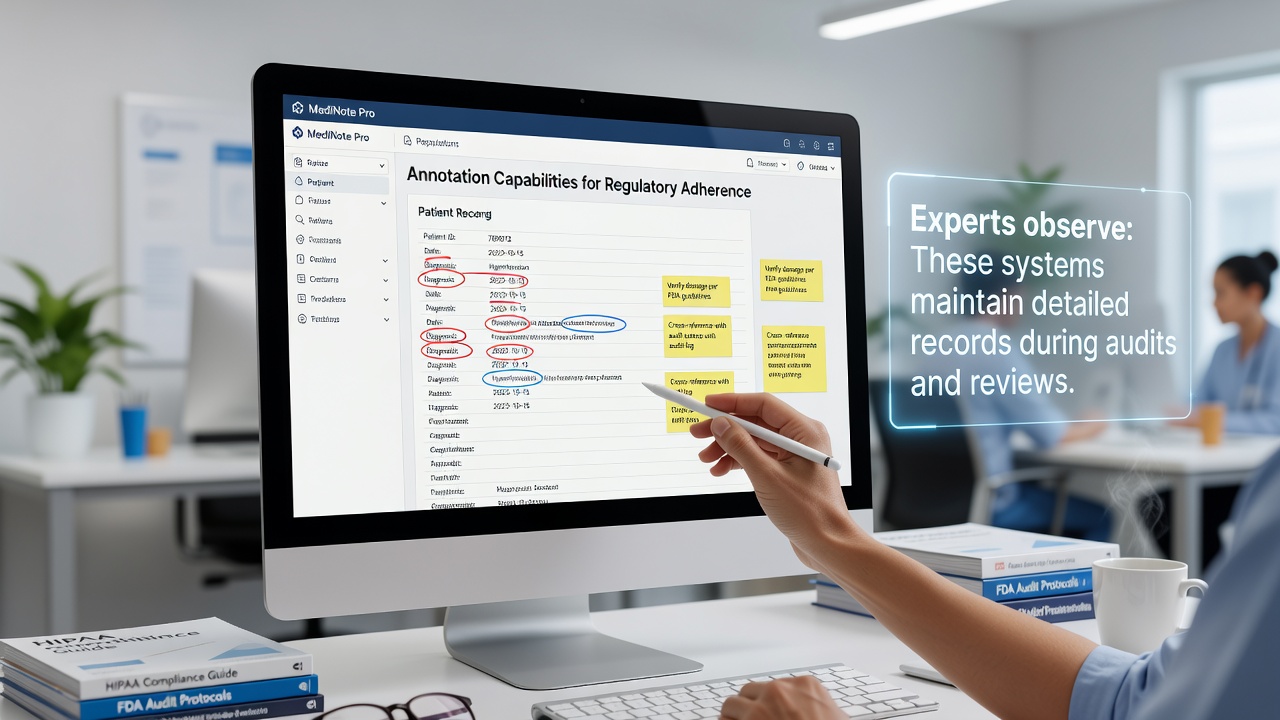
Specialized note platforms equipped with annotation capabilities have become integral tools for medical organizations seeking to uphold regulatory standards across various jurisdictions. These systems enable users to add contextual notes, highlight sections, and track modifications within digital records, while experts have observed how such features create verifiable trails that support compliance efforts during audits and reviews. Data from regulatory bodies shows that electronic documentation practices have expanded steadily, with annotation functions helping organizations maintain detailed histories of clinical decisions and procedural notes.
Core Annotation Features in Medical Note Platforms
Annotation tools within these platforms typically include text overlays, color-coded highlights, timestamped comments, and version tracking that connect directly to individual entries. Researchers at institutions studying healthcare informatics have documented how these elements allow staff to flag specific data points for follow-up or attach explanatory notes without altering original records. Organizations in the United States and European Union both report that such capabilities align with requirements outlined in frameworks like those from the FDA on electronic records and signatures.
One study revealed that medical teams using these platforms could retrieve annotated sections in seconds during internal checks, whereas manual paper systems often required hours of cross-referencing. The integration of search functions with annotations further supports quick location of relevant comments tied to specific patient cases or protocols, and this becomes particularly useful when external reviewers request supporting documentation.
Supporting Audit and Review Processes
During audits, regulatory inspectors frequently request evidence of how decisions were made and documented over time. Annotation systems provide layered records that show who added notes, when changes occurred, and what context accompanied each entry. Observers note that these capabilities reduce discrepancies between stated procedures and actual records, as every annotation carries metadata that can be verified independently. In Canada, Health Canada guidelines on record-keeping emphasize the value of traceable electronic annotations for demonstrating adherence to good clinical practices.
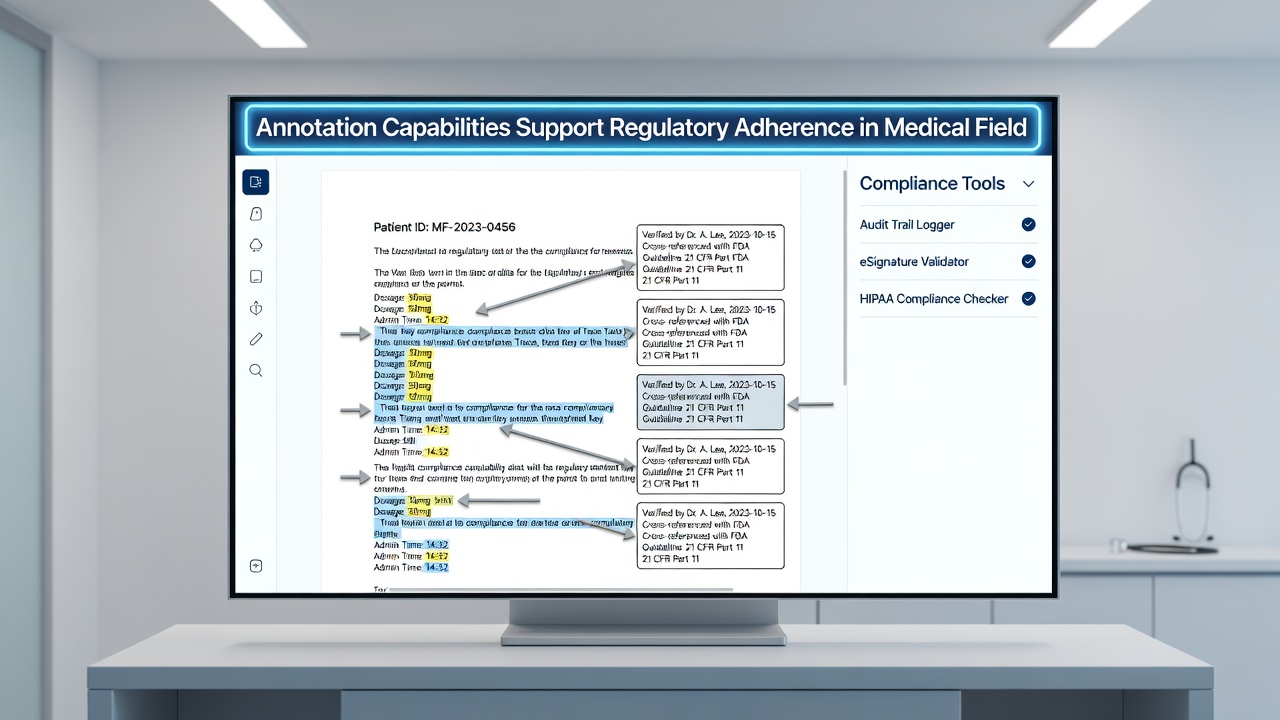
What's interesting is how these platforms handle multi-user environments where multiple clinicians contribute to a single patient file. Annotations from different team members appear in distinct formats or colors, which helps reviewers distinguish contributions without confusion. Figures from industry reports indicate that facilities adopting such systems experience fewer follow-up queries during external audits because the documentation already contains the necessary explanatory layers.
Regional Regulatory Contexts and Adoption Trends
European medical organizations operating under EMA standards have incorporated annotation features to meet expectations around data integrity and traceability. Similar patterns appear in Australian healthcare settings, where national guidelines stress the importance of auditable electronic notes. In October 2026, updates to certain international standards on electronic health documentation are scheduled to take effect, prompting many facilities to review their current annotation workflows and ensure compatibility with new verification requirements.
Academic analyses from university research groups have compared annotation-supported systems against traditional methods, finding that the former produce more comprehensive audit-ready files. These studies highlight reduced instances of incomplete records because annotations prompt users to include rationales at the point of entry rather than reconstructing them later.
Practical Implementation in Medical Settings
Take one hospital network that integrated annotation tools into its existing note platform to address recurring issues during accreditation reviews. Staff began using standardized tags for compliance-related comments, which allowed quality assurance teams to generate reports showing patterns across departments. The approach proved effective during subsequent inspections because reviewers could access both the original data and the explanatory annotations in a single interface.
Training programs for these platforms typically cover how to apply annotations consistently so that records remain clear to external parties. Professional bodies in multiple countries now include modules on digital annotation practices within their continuing education requirements for healthcare administrators.
Conclusion
Annotation capabilities in specialized note platforms continue to play a measurable role in helping medical organizations meet documentation expectations set by regulatory authorities. By creating detailed, searchable, and attributable records, these systems support the maintenance of information needed for audits and reviews across different healthcare environments. Evidence from regulatory sources and research institutions demonstrates that organizations using such tools can produce verifiable documentation more efficiently than those relying on less structured methods. As standards evolve through 2026 and beyond, the alignment between annotation features and compliance needs remains a key area of focus for medical record management.